If you have sleep apnea, you probably already know that getting a good night’s sleep can be challenging. But did you know that what you eat and drink may also affect your nighttime breathing and overall rest? While changing your diet cannot cure sleep apnea, making thoughtful food choices may help support better rest and overall health.
High-Fat Foods
Foods that are high in saturated and unhealthy fats, such as fried foods, fatty cuts of meat, and heavily processed meals, may contribute to inflammation and weight gain. Excess weight is a known risk factor for obstructive sleep apnea because additional tissue around the neck can place pressure on the airway.
That doesn’t mean you have to give up every food you love. Instead, try swapping fried foods for baked or grilled options and choosing lean proteins, such as chicken, fish, beans, or lentils.
Sugary and Highly Processed Foods
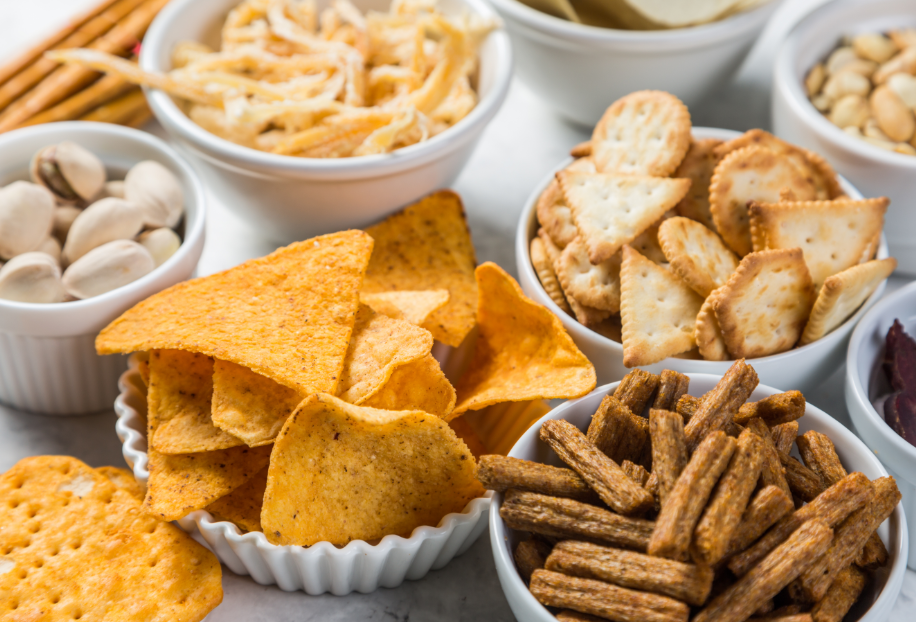
Cookies, candy, pastries, sugary cereals, and other highly processed foods can make it easier to consume excess calories without providing much nutritional value. Regularly eating too many of these foods may lead to weight gain, which will worsen obstructive sleep apnea for some people.
For a more sleep-friendly choice, reach for fruit, plain or lightly sweetened yogurt, nuts, or whole-grain snacks. These options can provide satisfying nutrients without the large amounts of added sugar found in many processed treats.
Alcohol
That evening glass of wine or cocktail may feel relaxing, but alcohol can interfere with your sleep and cause the muscles in your throat to relax. For someone with obstructive sleep apnea, that relaxation may make it easier for the airway to become blocked.
If you have sleep apnea, consider limiting alcohol, particularly in the hours before bedtime. Instead, try water or a caffeine-free herbal tea when you want something to sip in the evening.
Large Meals Before Bed
Even foods that are generally nutritious can become problematic if you eat a large meal right before lying down. Eating late may contribute to indigestion or acid reflux, both of which can make getting comfortable and sleeping well more difficult. Leaving a few hours between your last substantial meal and bedtime can give your body time to digest.
If you need a small evening snack, choose something light, such as a banana, a small handful of nuts, or a modest serving of yogurt.
What Should You Eat Instead?
There is no single “sleep apnea diet,” but a balanced eating pattern centered around vegetables, fruits, whole grains, lean proteins, and healthy fats can support overall health. Foods containing omega-3 fatty acids, such as salmon, walnuts, and chia seeds, can also be part of a nutritious diet. Some fruits and vegetables contain melatonin, although eating them should not be considered a treatment for sleep apnea.
Most importantly, remember that dietary changes are just one piece of managing sleep apnea. If you snore loudly, wake up gasping, or regularly feel exhausted despite getting enough hours of sleep, talk with a healthcare professional about evaluation and treatment. Untreated sleep apnea can have significant health consequences, so it deserves more than a dietary quick fix.
Small changes at mealtimes can support healthier sleep, but proper diagnosis and treatment remain essential.
About the Practice
Oakton Dentistry by Design offers personalized care for patients seeking solutions for sleep apnea and other oral health concerns. In addition to sleep apnea therapy, the practice provides preventive and restorative dentistry, cosmetic treatments, dental implants, and Invisalign, with an emphasis on individualized treatment plans and patient education. Dr. Khalil and Dr. Giordano are committed to helping patients find dental solutions that support both their oral health and quality of life, including better breathing and more restful nights.
Call us at (703) 938-4300 or schedule your appointment online.