Stop Snoring with Sleep Apnea Therapy in Oakton
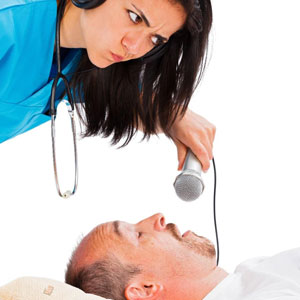 Sleep apnea is the second most common sleep disorder after insomnia. Patients who suffer from the disorder experience cessation of breathing for ten or more seconds at a time during sleep. While this may seem harmless, patients who suffer from untreated sleep apnea can experience serious health issues related to lack of sleep, oxygen deprivation, and elevated blood pressure. Millions of US adults have untreated sleep apnea. At Oakton Dentistry by Design, our skilled dentist and team are here to help you determine whether or not you’re suffering from sleep apnea, and provide treatment that allows you to breathe deeply through the night.
Risk Factors & Warning Signs of Sleep Apnea
Diagnosis is the first step to treating sleep apnea. Patients who are at a higher risk for sleep apnea should be aware. Men, patients with weight problems, those with a large neck circumference, and those who have family members with sleep apnea are all at high risk for the disorder. Please contact our Oakton dental team or a local sleep physician if you are at risk for sleep apnea, and/or you notice any combination of the following warning signs:
- Chronic loud snoring
- Waking gasping for air or wheezing
- Severe daytime sleepiness
- Difficulty concentrating
- Memory loss
Treatments for Sleep Apnea
There are two main types of sleep apnea. Central sleep apnea (CSA) is the rare form of the disorder, and it occurs when the brain fails to trigger the body to breathe during sleep. CSA can be life threatening, and patients diagnosed with this form of sleep apnea often need advanced treatment or surgery. The more common of the two types of sleep apnea is obstructive (OSA). As the name suggests, this form of sleep apnea occurs because the airway is physically obstructed during sleep. The most common treatment for sleep apnea is continuous positive airway pressure (CPAP).
Unfortunately, many patients find themselves unable to adapt to the sounds and sensations associated with CPAP therapy. That’s where the dentist comes in. We offer oral appliance therapy at Oakton Dentistry by Design. These compact, comfortable appliances shift the jaw forward, place pressure on throat muscles, and keep the airway clear. For many OSA sufferers, these oral appliances, sometimes called occlusal splints, are an effective treatment alternative to traditional CPAP. For others, a combination of CPAP and oral appliance therapy offers the ideal solution. Our team works in partnership with you and your sleep doctor to ensure we find the best possible treatment solution.
Why Visit a Dentist for Sleep Apnea Therapy
Dentists receive advanced training in the way the oral and facial structures (including the airway) should function. When patients suffer from obstructive sleep apnea, a dentist is an ideal doctor to help them improve their quantity and quality of sleep. You should consider scheduling a sleep apnea consultation with a dentist in the following situations:
- You notice warning signs of sleep apnea and you want to learn more about your risk for the disorder and your treatment options
- You have been diagnosed with sleep apnea and are CPAP intolerant
- You travel frequently and are unable to transport your CPAP system with you
Sleep Apnea FAQs
Does Everyone Who Snores Have Sleep Apnea?
Truthfully, not everyone who snores has sleep apnea. It’s entirely possible to snore while asleep without having this serious condition.
While snoring is a common apnea symptom, it isn’t a “necessary” one. Someone with sleep apnea could manifest different signs instead, such as insomnia, sleepiness, daytime irritability, and so on. You’ll thus need a proper sleep study or test to get a confirmed diagnosis.
If you’re afraid your snoring implies sleep apnea, consult your local sleep specialist. They’ll determine the underlying cause and put your worries to rest.
How Long Do Sleep Apnea Episodes Last?
Sleep apnea episodes don’t have fixed lengths; some are longer than others. That said, they generally last anywhere from ten seconds to two minutes at a time.
Research shows that these episodes can occur 5-30 times per hour of sleep. As for how many episodes you experience, a sleep test can determine the severity of your case. A confirmation of 0 to 15 “events” per hour would show that your case is mild. On the other hand, having 30 “events” or more per hour indicates a severe one.
Can My Dentist Diagnose Sleep Apnea?
Unfortunately, dentists – whether sleep-specialized or not – can’t diagnose sleep apnea. Only a dedicated sleep doctor can screen you for it and detect its (possible) presence.
What a sleep dentist does is perform a screening on your behalf. In doing so, they’ll let you know whether you should be tested and help you coordinate your care. This process ensures you get a proper diagnosis later and learn which type of sleep apnea you have before treatment. Once you have that diagnosis, you can explore your options further.
Often, those with diagnosed sleep apnea can receive oral appliance therapy from a sleep dentist. This treatment opens your airway to ensure easier, unobstructed breathing while asleep.
Will My Sleep Apnea Go Away If I Lose Weight?
A person’s sleep apnea may go away if they lose weight, as fat accumulation around the neck and airway can be a major risk factor. However, whether the condition would fade in your case depends on your situation.
If you qualify as medically overweight or obese, weight loss would likely help your sleep apnea. Excess weight and tissue can block the airway, so addressing both makes breathing while asleep easier. You’d then see a reduction (or outright elimination) of your sleep apnea symptoms.
Of course, your sleep apnea could also persist even after you lose weight. You’d likely need another sleep test in that case to see if other factors are at work.